
0
Top answer
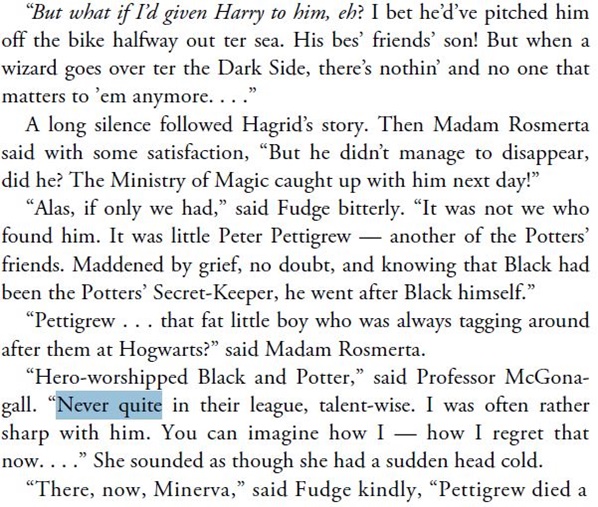
“Never quite” means almost. To ‘never quite’ understand is to almost grasp the meaning of something but not have sufficient imagination to do so. To be short in stature (height) would be a handicap, so that such a person could never quite reach shelves that for the rest of us would be easily within reach.
- “Never quite” means almost.
- To ‘never quite’ understand is to almost grasp the meaning of something but not have sufficient imagination to do so.
- To be short in stature (height) would be a handicap, so that such a person could never quite reach shelves that for the rest of us would be easily within reach.
Get the Weekly English Kit 📬
New words, one handy idiom, and a 2-minute quiz — delivered to your inbox to keep your streak alive.
6 Answers
0
“Never quite” means almost. To ‘never quite’ understand is to almost grasp the meaning of something but not have sufficient imagination to do so. To be short in stature (height) would be a handicap, so that such a person could never quite reach shelves that for the rest of us would be easily within reach.
 0
00
That text is not well written.
Re-write:
"Never quite in their league, talent-wise, I was often rather sharp with him."
"Never quite" means "not exactly" or "not fully."
And"not in their league, talent-wise" means "I was not as talented as them."
Therefore, if we switch it around, we get:
"I was often rather sharp with him, as I was not exactly as talent
Re-write:
"Never quite in their league, talent-wise, I was often rather sharp with him."
"Never quite" means "not exactly" or "not fully."
And"not in their league, talent-wise" means "I was not as talented as them."
Therefore, if we switch it around, we get:
"I was often rather sharp with him, as I was not exactly as talent
00
teechrThat text is not well written.You want to rewrite the Harry Potter series?
Gasp!
00
contrapositionnever | quite | in their league~ not at any previous time | completely | as excellent as they were
CJ
00
CalifJimYou want to rewrite the Harry Potter series?I'd rather paraphrase the telephone directory.
00
No no! It's dialogue do she's not using full sentences. Pettigrew was not as talented, not the speaker (Professor McGonagal).
Pettigrew was not as good a wizard as Sirius and James, and the professor regrets being sharp with Pettigrew.
No one has conversations using only full and correct sentences and if you tried to write dialogue as though they did, it would hardly sou
Pettigrew was not as good a wizard as Sirius and James, and the professor regrets being sharp with Pettigrew.
No one has conversations using only full and correct sentences and if you tried to write dialogue as though they did, it would hardly sou
0 Related Questions