
0
Contraposition Posted 11 years ago
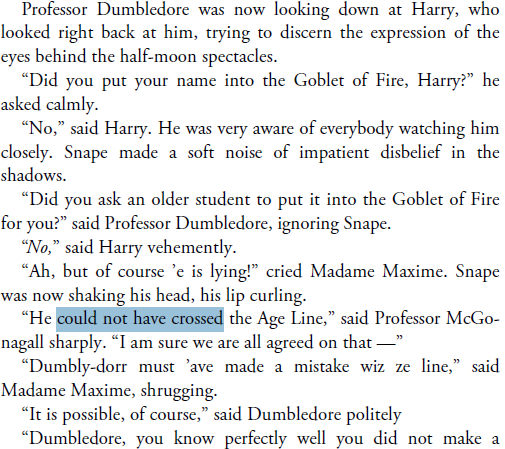
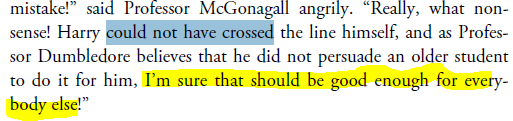
What do 'could have' and 'that should be good enough for everybody else' mean?
And what does 'right' mean in the first sentence?
Vocabulary
enough
What do 'could have' and 'that should be good enough for everybody else' mean?
And what does 'right' mean in the first sentence?
Top answer
"He could not have crossed" = He would not have been able to cross / It would not have been possible for him to cross. "that should be good enough for everybody else" = that explanation of the situation should be enough to satisfy/persuade everybody else (apart from Madame Maxime). right = straight, directly
- "He could not have crossed" = He would not have been able to cross / It would not have been possible for him to cross.
- "that should be good enough for everybody else" = that explanation of the situation should be enough to satisfy/persuade everybody else (apart from Madame Maxime).
- right = straight, directly
Get the Weekly English Kit 📬
New words, one handy idiom, and a 2-minute quiz — delivered to your inbox to keep your streak alive.
1 Answers
0
"He could not have crossed" = He would not have been able to cross / It would not have been possible for him to cross.
"that should be good enough for everybody else" = that explanation of the situation should be enough to satisfy/persuade everybody else (apart from Madame Maxime).
right = straight, directly
"that should be good enough for everybody else" = that explanation of the situation should be enough to satisfy/persuade everybody else (apart from Madame Maxime).
right = straight, directly
 0
0 Related Questions