
arised vs arrised
Is "Arrised" should be replaced with "Arised" in this phrase?
If there is no need to do that, what does it mean? (arised)
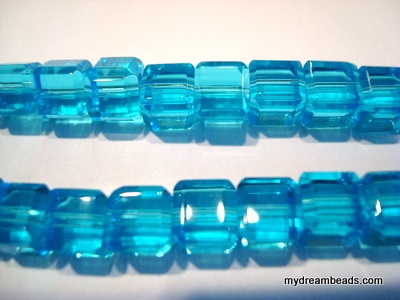
"Aquamarine Crystal Cube Arised Edges."
Top answer
Arrised and arised are not English words. Do you mean raised edges? You might want to search Google for images of "raised edges".
- Arrised and arised are not English words.
- Do you mean raised edges?
- You might want to search Google for images of "raised edges".
- Those do not appear to me to be raised.
- They look beveled to me.
Get the Weekly English Kit 📬
New words, one handy idiom, and a 2-minute quiz — delivered to your inbox to keep your streak alive.
Do you mean raised edges? You might want to search Google for images of "raised edges". Those do not appear to me to be raised. They look beveled to me.
 0
0I knew that, but that was the title of that picture. I was baffled, so I asked why they've used "arised".
0pronounced like 'a wrist' if your a yorkshireman like me.
0I believe an Aris is a 45 degree small bevel and a bevel will be any slope other than 45 degrees.
Chris Freeman
0Arised means bevelled of glass or laminate. Usually glass or bench edges.
It refers to softening the edge to remove sharpness.
Certainly is an English word - in use from ancient times.
0An arised edge is ugly, it's nothing more than a belt sander run across the sharp edges of glass to eliminate the sharp edge. The finished product is uneven, matte finished, rough edge that will not cut you.
As for arrised vs. arised, I work in the glass industry and I see both used but glass manufacturers seem to use arised
0As a carpenter i like to ask other carpenters whether they put an arris on an edge or take it off. sadly most of the young guys say to put it on. An arris is a sharp edge formed by two intersecting planes on wood or glass or masonry. quite simply when you arris a piece of timber, you take that edge off by either bevelling it or sanding it.
As for the spelling, An Arris , to Arris, it
0Arised edges is the correct english engineering term for taking the sharp edge off e.g. of metal, glass or stone. With steel it is often done to prevent cuts from the finished object, often specified on a drawing as "finish: arised edges". There are a number of other terms to describe the actual shape of the edge; flat ground, mitre, etc. The means of taking the edge off is immaterial, whether
0Yes it is softening of the sharp edges.
Although I would spell it aris and the plural arissed other wise it is arised i.e. stood up. as in arisen. :-)
0 Related Questions